
Which Burial Mistakes by Cemeteries Are Most Common?
Interment of the deceased is a very serious matter of great importance. Family members rely on cemeteries to carry out the procedures with gentleness, honor, and precision. Most cemeteries perform their tasks very well. Nevertheless, mistakes still happen.
❌ Incorrect Burial Plot Placement
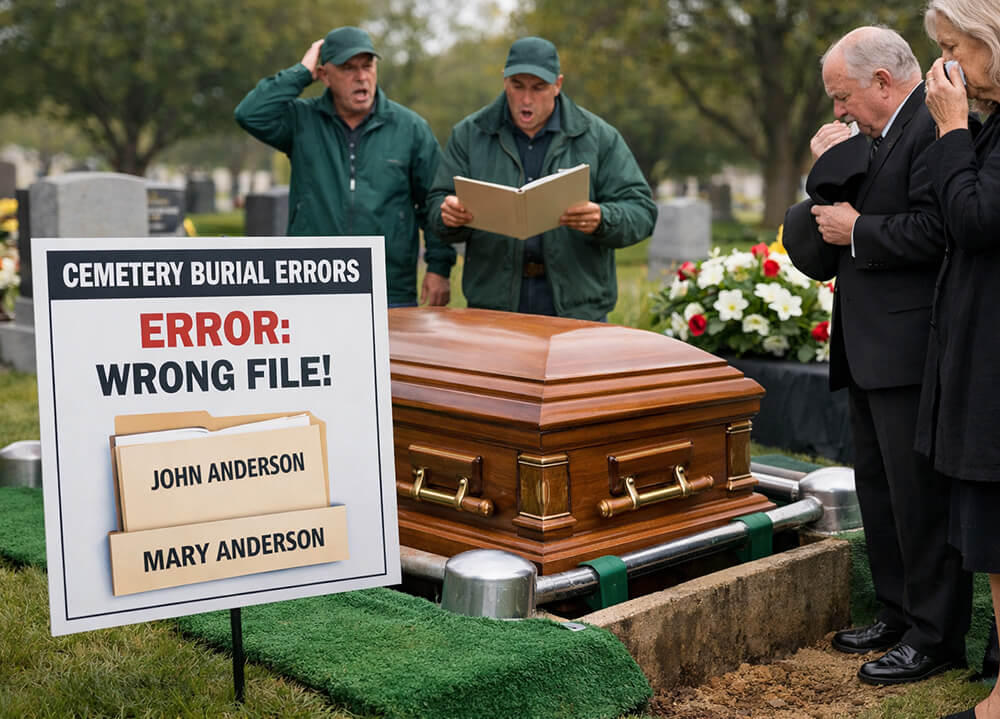
One of the biggest errors that can be made is to bury a person in the wrong plot. It actually happens more frequently than most people think.
Common record mistakes include:
- Incorrect name spellings
- Incorrect burial dates
- Unavailable or mismatched plot numbers
- Records that are duplicated
- Documents for ownership that are lost
💡 Note: Cemeteries that have been around for a long time still keep some of their files in handwritten form. Paper documents can be damaged, lost, or become hard to read. Modern GPS and cemetery software have solved many problems but still not all cemeteries have upgraded their systems.
📢 Insufficient Communication With Families
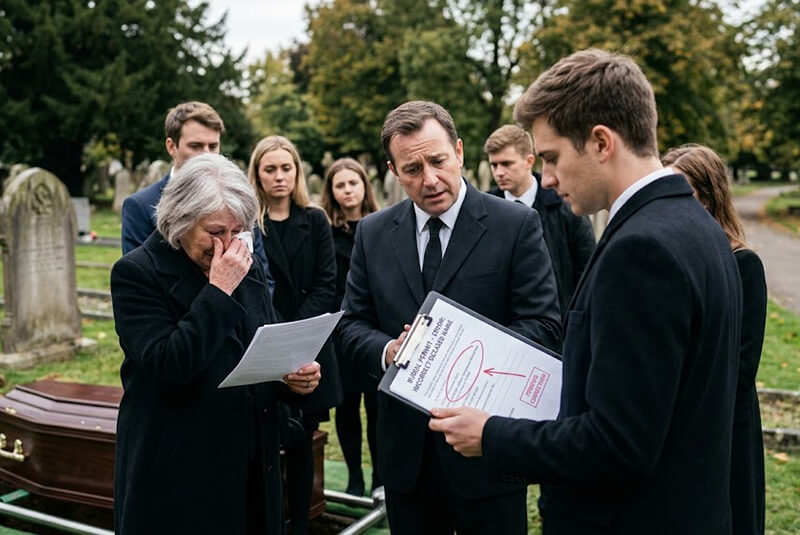
Typically, families rely on cemeteries to provide detailed explanations at each stage. Sadly, communication blunders still occur in this industry.
Cemetery staff sometimes fail to clearly explain cemetery rules, installation schedules, or monument specifications. Consequently, this can lead to confusion and irritation on the part of families.
⚠️ Example: A family in the U.K. said that how long the ground had to be left for settlement before a headstone was allowed to be placed was never communicated to them. They were under the impression that the cemetery had just “forgotten” about the memorial.
⏱️ Rushed Grave Preparation
During peak times, particularly in winter or when there is a public health emergency, cemetery employees can be overwhelmed with work. Hurrying up can lead to errors.
Rushing grave preparation can lead to:
- Uneven grave depth
- Poor drainage
- Incorrect placement of markers
- Hazardous soil conditions
Even well-trained crews can slip up if they’re pushed too hard.
🔧 Inadequate Maintenance of Graves
After a burial, care and upkeep of the cemetery is a never-ending task. Failure to monitor the graves regularly may cause the ground to settle lower in some places. Broken memorials, flooding, or patches of damaged grass will certainly disturb relatives who come to visit the deceased.
Some cemeteries try to cut costs by postponing repair work or trimming down staff hours. Although this may decrease expenses in the short run, it can destroy the respect and confidence which people have for the cemetery in the long run.
👥 Inadequate Staff Training
Not all cemetery workers get proper training. Sometimes, new hires learn the skills just by watching others, without any organized teaching.
Key skills for burial work include: Accuracy, equipment handling, safety, and empathy. The risk of errors is very high if the staff is not trained properly.
✓ Best Practice: Cemeteries that emphasize staff education tend to have better family satisfaction and fewer customer complaints. Proper training empowers employees to be more skillful and professional in handling emotional issues.
Final Thoughts
Many cemeteries make it their mission to respond to families in the most respectful way. Therefore, serious errors remain relatively rare. Yet, improper interment may arise if the channels of communication are broken, the documentation is not kept up to date, or the employees are too fatigued.
Today, better use of digital tools, improved staff training, and clearer communication are some of the ways cemeteries have become more helpful. In the meantime, families also have much higher expectations compared to previous times.
💜 The Core: What burial care really is goes far beyond the nature of the operation or administrative work. It is about human relation, respect for the person, and the willingness to assist people’s needs at one of the toughest turning points in their lives.