
Table of Contents
What Is a Grave Marker Photo?
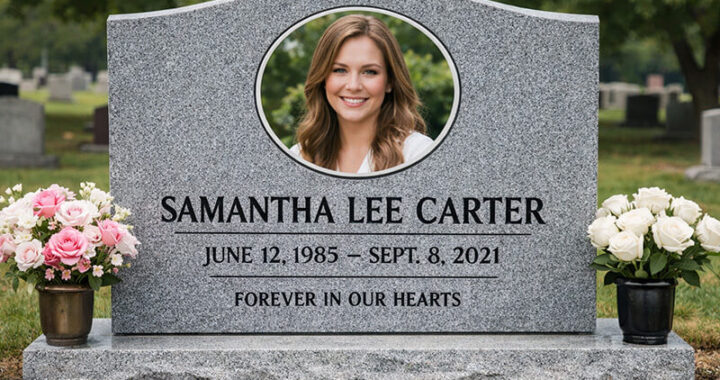
A grave marker photo — also known as a porcelain portrait or memorial medallion — is a lasting photograph of the deceased that is fixed to a headstone or a grave marker. It provides the visitors with a face to associate with the deceased, thus transforming a stone into a heartfelt memorial. Such portraits have been common in Europe and Latin America for over a hundred years and now they are now gaining popularity in the U.S., Canada, and Australia.
Can You Add a Photo After Installation?
Yes — absolutely.
Adding a photo to a grave marker that is already installed is not only possible but it is a common practice done by families worldwide.It doesn’t matter whether the headstone was placed last week or twenty years ago — it is still possible to add a photo later. Removing the stone or buying a new one is not necessary.
Typically there are two ways: having the photo professionally installed by a monument company or a DIY approach by using a ready-made photo plaque with adhesive or mechanical fasteners.
Common Ways to Add Pictures
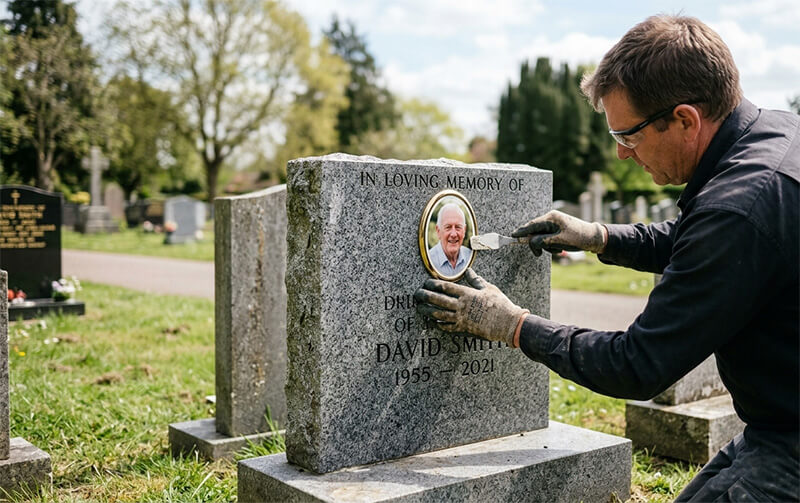
1. Epoxy Adhesive Mounting
This method bonds a ceramic or porcelain oval photo directly onto the stone using industrial-grade epoxy. This is the most popular method.If applied correctly, it can last outdoors for 20–50 years without peeling.
2. Mechanical Screw-In Medallions
This method uses small stainless-steel screws to secure the photo frame to the granite through pre-drilled holes. In addition, this method provides better resistance to vandalism and adverse weather conditions.
3. Self-Adhesive Photo Plaques
Some families choose to install UV-coated plaques that are peel-and-stick as a quick, no-fuss, do-it-yourself (DIY) method. They are not as permanent but if the photo fades, they can be replaced easier.
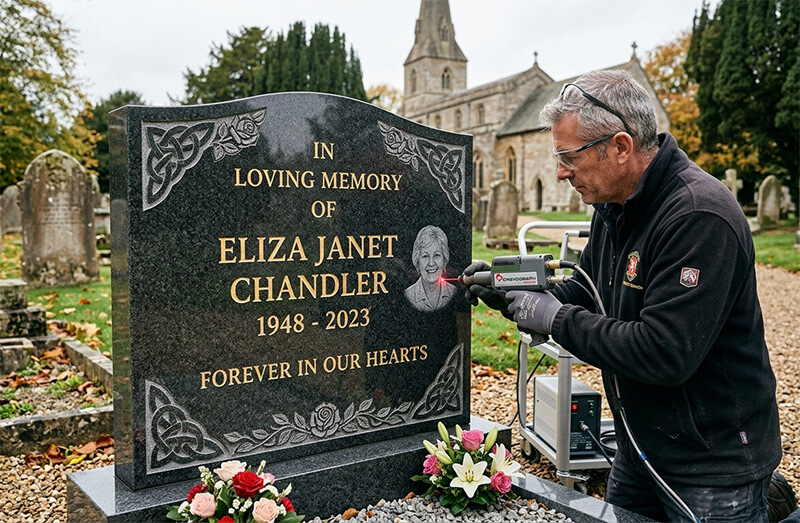
4. Laser-Engraved Portrait Addition
The engraving is done by a professional using the laser to cut the image directly on the existing stone. Since the image is engraved into the stone, it will never detach, it is a permanent option but it requires the stone to be accessible and is more expensive.
Real Story of a Family
Margaret T., a retired teacher from Ohio, lost her husband in 2018. The headstone had already been in place for two years when she was mulling over the idea that she wanted his face visible for their grandchildren who were too little to remember him clearly.
Her story is just one of many. Thousands of families each year make this same request, and most cemeteries accommodate it without any problem.
Which Materials Are Most Effective?
- Porcelain / Ceramic – The best overall option. These tiles are fired at extremely high temperatures during manufacturing, they are resistant to UV rays, waterproof and last up to 20–50 years or even more. Porcelain has become the industry standard for memorial photo portraits.
- Resin-coated photos – The cheapest solution. Nevertheless, they will yellow over time. If you want to exhibit a photo outside, this is usually the least recommended option.
- Aluminum does not rust, but the laminate layer may deteriorate over time, especially if the metal is neglected or exposed to humid conditions.
- Glass-fused portraits, Top quality, very durable, but also quite expensive.
Facts & Evidence
Practical Tips Before You Start
✅ Check cemetery regulations first. The majority of cemeteries are okay with photo additions but quite a few older or religious cemeteries might have limits on size, shape, or placement. It’s best to get written permission before you go any further.
✅ Use a high-resolution original photo.Use a high-resolution photo (preferably suitable for 300-DPI printing). A fuzzy or low-resolution photo will only result in a subpar portrait.
✅ Choose the right size. Standard oval plaques generally vary between 5 cm × 7 cm and 13 cm × 18 cm. Bigger stones can hold bigger portraits.
✅ Hire a certified monument professional. a certified monument installer guarantees the epoxy will so the adhesive cures properly under the right temperature and humidity conditions, thus avoiding premature detachment.