
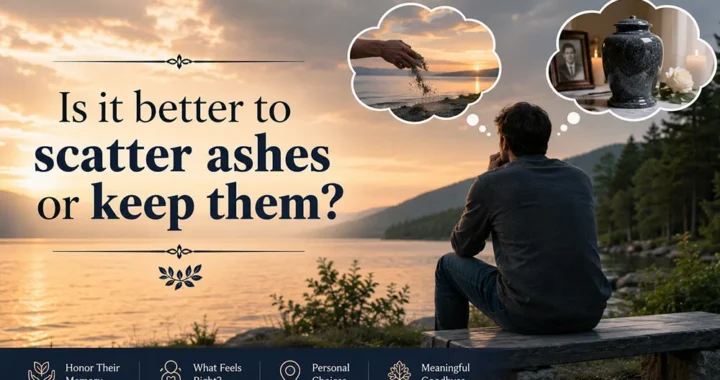
Is It Better to Scatter Ashes or Keep Them?
After a cremation, families often face a question that sounds simple but rarely feels simple: Should we scatter the ashes, or should we keep them?
From what we see in the memorial trade, there is no single right answer. Some familys want a permanent place they can visit. Others feel their loved one would have preferred a favourite beach, hillside, garden, or fishing spot.
The best choise is usually the one that fits the person being remembered and the people who are left behind.
Why Some Families Choose to Scatter Ashes
Scattering can feel very personal.
A local family we worked with chose to scatter their father’s ashes near the lake where he spent most weekends fishing. They kept a small amount in a keepsake urn and placed a granite memmorial in the family garden.
For them, that gave them both things they wanted: freedom and a place to remember him.
It is worth knowing that cremated remains are not really “ashes” like you would find after a fire. They are mostly processed bone fragments left after cremation.
Rules for scattering can also vary. A cemetary may have its own scattering garden. National parks, private land, beaches, and waterways may have different requirements.
In the U.S., families may come across names such as EPA (Environmental Protection Agency) or NPS (National Park Service) when checking local rules. It is always worth confirming permission before making plans.
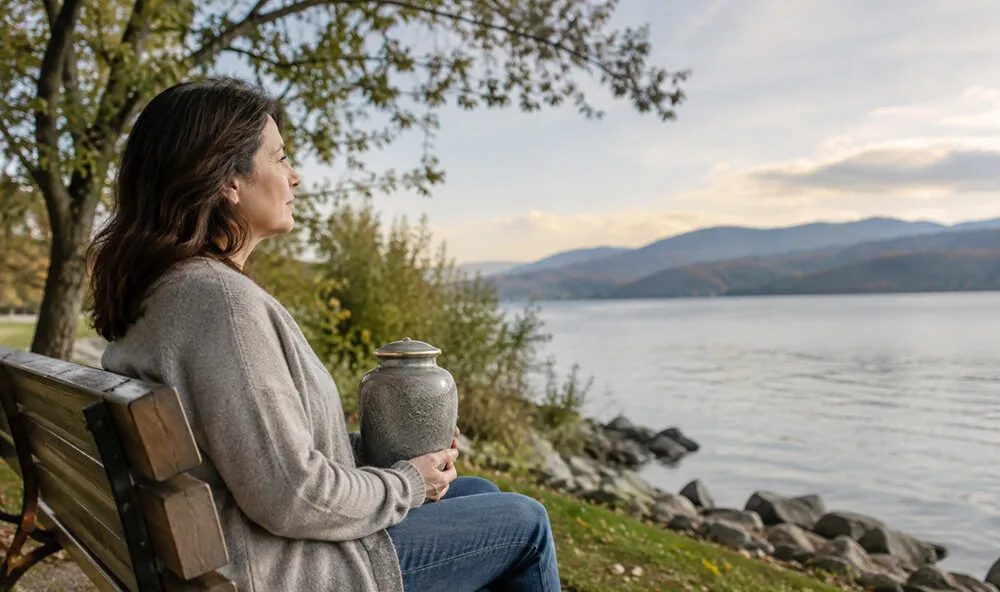
Why Keeping Ashes Can Feel More Comforting
Some people are not ready to let the ashes go.
That is completely understandable.
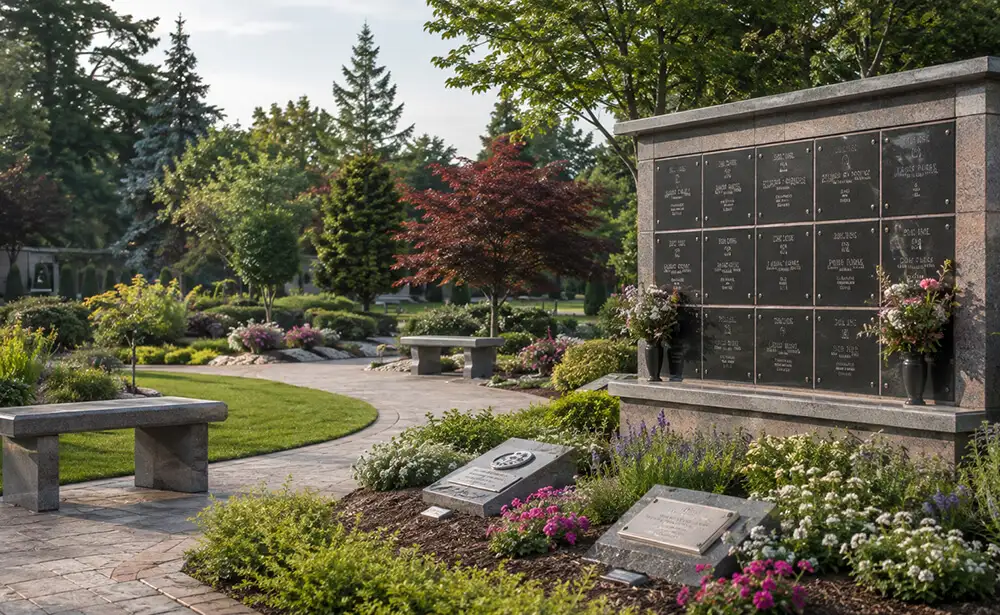
Keeping an urn at home gives the family something physical to return to. Ashes can also be placed in a columbarium, cremation monument, family grave, or memorial niche.
We once helped a woman who had kept her mother’s urn at home for nearly three years. She told us she did not want to rush the decision.
Later, the family chose a small granite cremation monument where both parents could eventually be remembered together.
She said having a permanent place made visits feel more peacful.
There is no deadline for this kind of arrangment. If you need time, take it.
You Can Also Do Both
Many people think they have to choose between keeping all the ashes or scattering all of them.
You do not.
Cremated remains can be seperated into several smaller urns or keepsakes. A portion can be scattered, while another portion is kept in a memorial.
This works well when family members live in different places.
A brother might keep a small urn. A daughter may scatter part of the ashes somewhere meaningful. The rest may be placed in a grave or cremation monument.
This gives everyone a way to rember the person in their own way.
A Few Practical Things to Think About
Before deciding, ask yourself a few questions.
Will family members want a place to visit five or ten years from now?
Would the person have wanted their ashes kept?
Is the scattering location legal and easy to reach?
Will future generations know where the ashes went?
Small details can matter years later.
What We Usually Tell Families
Working with headstones and cremation memorials teaches you something: grief does not follow a standard plan.
Some people want a traditional grave.
Some want an urn close to home.
Some want the ashes returned to nature.
And some want a little of each.
Try not to make the decision because you feel there is a “proper” way to do it. Think about the personne you are remembering and what will bring comfort to the people who loved them.
Whether you scatter the ashes or keep them, the important part is not the container or location.
It is having a way to keep their story close.