
What Happens If a Mausoleum Burial Wall Is Destroyed?
Table of Contents
While choosing a mausoleum for a loved one, families always hope for its permanence and dignity. However, the destruction of a mausoleum burial wall—whether caused by natural disasters, structural failure, or human error—goes far beyond physical damage.Understanding what happens in such tragic instances helps prepare families, cemetery operators (COs), and funeral directors (FDs) on how to avoid such calamities.
Immediate Consequences of Structural Failure
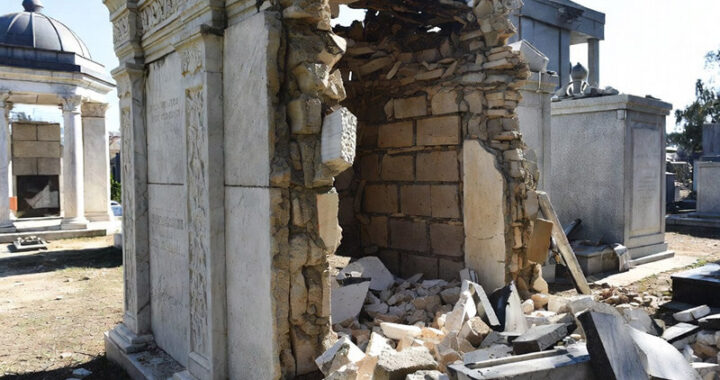
The shattering of a mausoleum burial wall manifests immediate and devastating effects. Individual burial chambers, otherwise referred to as crypts, are either exposed or damaged in a manner that allows the remains to succumb to the open forces of nature, including wildlife, as well as desecration. During the 2019 event, the Historic Oakland Cemetery in Atlanta suffered extreme adversity when severe storms knocked several mausoleum walls down, exposing several crypts, and requiring emergency action from cemetery management and local health departments.
According to the National Funeral Directors Association (NFDA), more than 15% of mausoleums in the U.S. require extensive repairs within 50 years after installation. When walls break, caskets tend to cascade, burst, or become visible. Immediate containment measures should be in the hands of the CDC-The Centers for Disease Control and Prevention-inthat the decomposing remains pose biohazard risks.
Real Example: In 2005, Hurricane Katrina devastated numerous mausoleum walls in Louisiana. This displaced thousands of remains, with some caskets found floating in floodwaters. Recovery took years and millions of dollars, making clear the catastrophically large scale these events can attain.
Legal and Financial Implications
The legal liabilities become complicated once mausoleum walls fail. Perpetual care funds of the cemetery (PCF), which are trust accounts mandated in most states, should ideally meet repair costs. However, such funds are mostly inadequate for catastrophic damage. According to the International Cemetery, Cremation, and Funeral Association (ICCFA), litigation due to mausoleum failures is rising upwards of 34% in a decade.
Families can sue cemetery operators, construction companies, or maintenance providers. For instance, in a 2018 case in Chicago, settlements amounting to more than $3 million went to families whose relatives’ crypts were damaged in the mismanagement-related crypt damage. Generally, the legal path is through proving negligence, poor maintenance, or shoddy construction — all of which are highly document-intensive and requiring expert witness testimony.
Insurance coverage becomes a critical factor. Most cemetery liability insurance covers major exclusions for “acts of God, as opposed to structural negligence. The determining factor-for the most part-will be what caused such an act in the first place-whether earthquake, flood, poor construction, or deferred maintenance-because it makes a direct impression of who pays the bills. The cost to repair one damaged mausoleum wall ranges somewhere between $50,000 and $500,000; size and severity of damage dictate the difference.
The Emotional Impact on Families
Beyond the legal and financial aspects, the tragedy of mausoleum desecration is really priceless in human costs. Sarah Martinez, whose grandfather’s crypt was affected during a Texas mausoleum collapse in 2020, shared how it felt like this: “It felt like losing him all over again. We chose that mausoleum because we wanted him to rest in peace with dignity. Seeing his casket exposed and damaged was traumatic for our entire family.”
Grief counselors who specialize in complicated bereavement point out that such incidents can act as triggers that renew grief, anxiety, and loss of trust in memorial institutions. The American Psychological Association has documented instances where post-traumatic stress disorders developed among members of affected families who had witnessed damaged remains or crypts of their loved ones.
Crisis communications, however, involve the fine balance of being ruled from a distance with close personal connections to grief-stricken families. The Funeral Rule of the FTC, as it is known, prescribes the component of truthfulness, but it does not really distinguish what is supposed to be done when something catastrophic happens; thus, leaving many COs without the proper guidance when the situation turns into a crisis.
The Restoration and Recovery Process
Particular expertise is needed for repairing 1,000 pieces of broken mausoleum walls. The forensic mortuary team does initial documentation and identification on all affected remains. When identification markers are lost, DNA testing may be needed in portions of this process. The method adheres to strict EPA protocols regarding the handling of human remains and their possible contaminants.
The rest of the structure’s integrity is evaluated by a structural engineer. In most cases, entire sections have to be torn down and built anew instead of repaired. Requirements now include added reinforcement in concrete, a proper drainage system, standards regarding seismic considerations—features which older mausoleums constructed before current building codes tended not to possess.
The time scale for restoration varies greatly. Of course, in some instances, the repairs may take months; in others, full reconstruction may extend to years. Temporary storage has to be arranged during this time. Some facilities rely on climate-controlled warehouses whereas others move remains to intact cemetery sections. Each one must notify the family of the movement, ideally get consent.
Case Study: In lieu of the earthquake that rocked California in 2017, Greenwood Memorial Park began the implementation of a five-phase restoration plan. They communicated weekly with affected families, provided temporary memorial services and completed reconstruction within 18 months- an industry benchmark for crisis management.
Prevention and Quality Standards
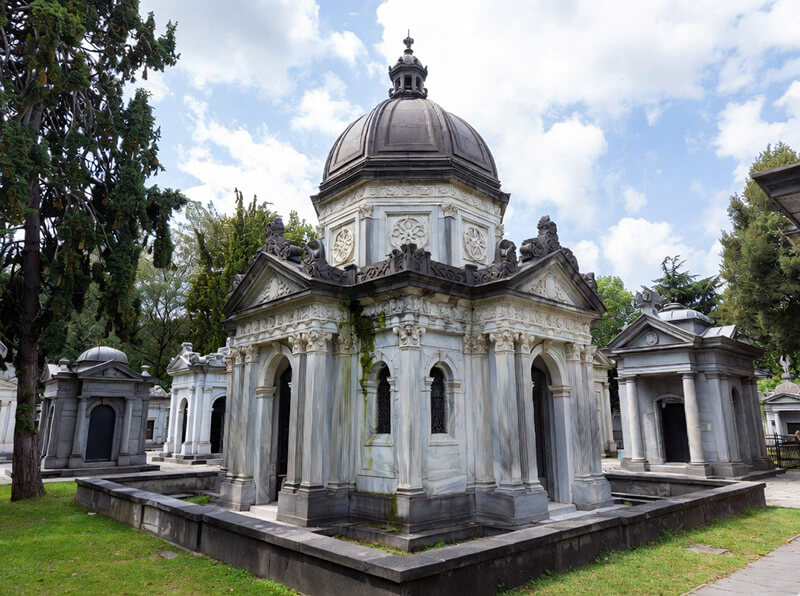
In essence, the principle of prevention is always superior to that of cure. For his part, the ICCFA advises that every mausoleum be structurally inspected annually and the inspecting engineer duly certified. A contemporary mausoleum construction absorbs much of the safety features; for instance, moisture barriers to prevent water ingress, expansion joints for ground movement, and reinforced steel for sustaining structural integrity against environmental stresses.
All those materials mentioned above really work to the longevity factor. First-grade granite and well-cured concrete will stand for possibly centuries; however, the deterioration of substandard materials may carry on into some decades. The Memorial Construction Working Group of MIA outlets strictly enforce construction standards; however, enforcement is varied across states and municipalities.
Specific questions should be posed by families choosing their mausoleums: what exactly are the construction materials, is there a warranty, how often do they subject the facilities to inspections, and what does the perpetual care fund cover? The stark answers to such questions are often surprisingly revealing when it comes to the ultimate longevity of a facility and the level of real protection that an investment affords a family.
Climate change has added an altogether new set of challenges. Increasing instances of extreme events-wildfires, floods, hurricanes-make it necessary that mausoleum designs foresee scenarios that were once thought highly improbable. Progressive-thinking cemetery owners are conducting climate risk assessments, upgrading their infrastructure proactively rather than retroactively.
When the wall of the mausoleum collapses, it signifies a convergence of structural, legal, financial, and deeply personal crises. While no system can guarantee true permanence, having clear communication around what risks, responsibilities, and recovery processes exist, allows stakeholders—families, cemetery operators, communities—to navigate these painful situations with a degree of compassion and preparedness. Quality construction, coupled with adequate ongoing maintenance, transparency, and sound financial planning, will be the greatest defenses against such heartbreaking undertakings.