

Why Do Some People Call a Funeral a “Celebration of Life”?
Table of Contents
Introduction
Losing a loved one is painful. You cannot escape from the sheer depth of it. Your chest feels tight; your eyes burn with impending tears. The world seems emptier without them.
Generations of funerals reflected that pain: dark suits, hushed tones, somber organ music. Everyone tiptoed around, afraid to laugh or smile. It felt wrong to show anything but sadness.
But something’s been changing. More and more, familys are calling these gatherings “celebrations of life” rather than funerals. And it’s not only about picking a nicer name. It’s about remembering that before the ending there was a whole beautiful story worth celebrating.
Changing Traditions around Death
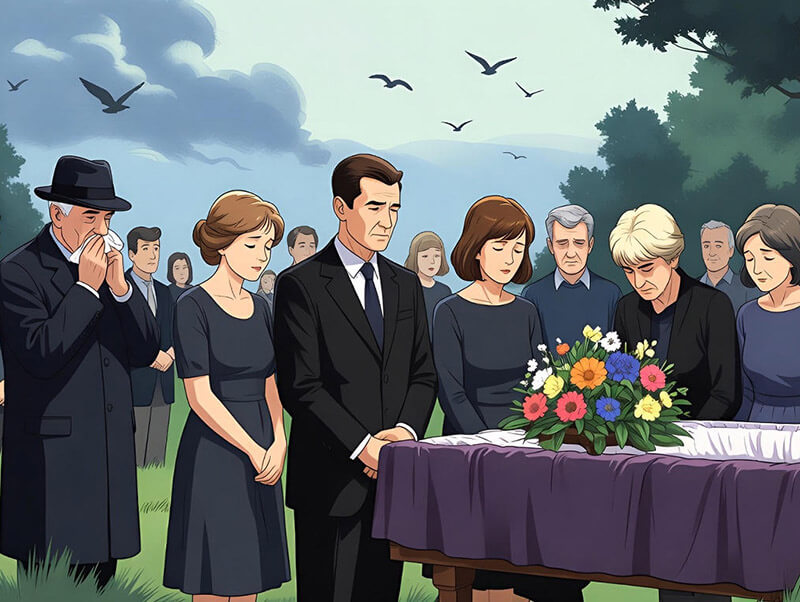
It was a very traditional funeral-my grandmother died in 1995, and it was exactly what one would imagine: clad in black dresses, folding chairs in rows, and with a minister who had never actually met my grandmother reciting generic prayers. Nobody laughed, nobody told stories about the time she switched salt and sugar on my grandfather, playing a joke on him. We simply sat around, stiff and very uncomfortable.
Fast forward to today, and things are different. According to the National Funeral Directors Assoc., NFDA, today it is estimated that about 60 percent of Americans want services reflecting on who the person was, not some cookie-cutter event that could be anyone.
This shift picked up steam in the 1980s and really took off by the 2000s. Baby boomers started asking questions. Why should everyone’s final goodbye look the same? Why can’t we be ourselves, even at the end? According to a finding from the Funeral and Memorial Info Council, or FAMIC, 73% of people under 50 prefer these more personal celebrations over old-school funerals.
We’re also just more honest about death now. We talk about our feelings. We see grief counselors. We don’t pretend everything is fine when it isn’t. And we don’t pretend the person who died was a saint if they weren’t. We remember them as they were—flaws, quirks, and all.
Joy, Not Sadness, in Focus
Here’s the thing with celebrations of life: nobody is pretending it doesn’t hurt. You still cry. You still feel that hole where the person used to be. But you’re also remembering why that hole hurts so much—because something wonderful was there.
Think of music. You might not have the hymns that make you want to cry harder but rather Jimmy Buffett or Aretha Franklin, whatever made that person tap their feet. My friend’s dad loved classic rock, so his celebration had Led Zeppelin playing. People smiled; they remembered him air-guitaring in the kitchen.
Photos line the walls. Baby pictures next to wedding shots next to that embarrassing Halloween costume from 1987. You see them young and old, serious and silly. You see their whole life spread out like a scrapbook. And suddenly, the sadness mixes with gratitude. You got to know this person. How lucky is that?
Actual Examples from Families
Sarah’s dad lived for fishing. Every Saturday morning, he was gone before the sun was up; he’d head to his spot on the lake. When he died at 68, the idea of him in some stuffy funeral home just wasn’t possible. So, she didn’t do that.
She rented a pavilion at the lake. About 50 people showed up in jeans and t-shirts. They told fish stories-including the one about her dad falling right into the water reaching for a bass. They laughed and laughed until they cried. Sarah said later, “Dad would’ve hated us all sitting around being miserable. This felt right.”
Then there was Marcus: taught 30 years, middle school English. Cancer took him, much too young, at 55 years. His wife and children held his celebration of life at the school.
Current students came. Former students came—some driving hours to be there. They stood up one by one, sharing stories. “Mr. Rodriguez believed in me when I didn’t believe in myself.” “He stayed after school to help me with my college essay.” “He made Shakespeare actually make sense.” The family served pizza, tacos, and chocolate cake—Marcus’s favorite things. His wife said, “Marcus loved feeding people. Food brought him joy.”
And I’ll never forget Grandma Rose. She made it to 92, gardening right up until the end. She wore purple and yellow and orange – never black. So her family threw a party in a botanical garden. They invited everyone to wear color. They planted rose bushes in her name. Her granddaughter Emma said, “Grandma brought color everywhere she went. We wanted this to feel like her.”
Cultural and Religious Reasons
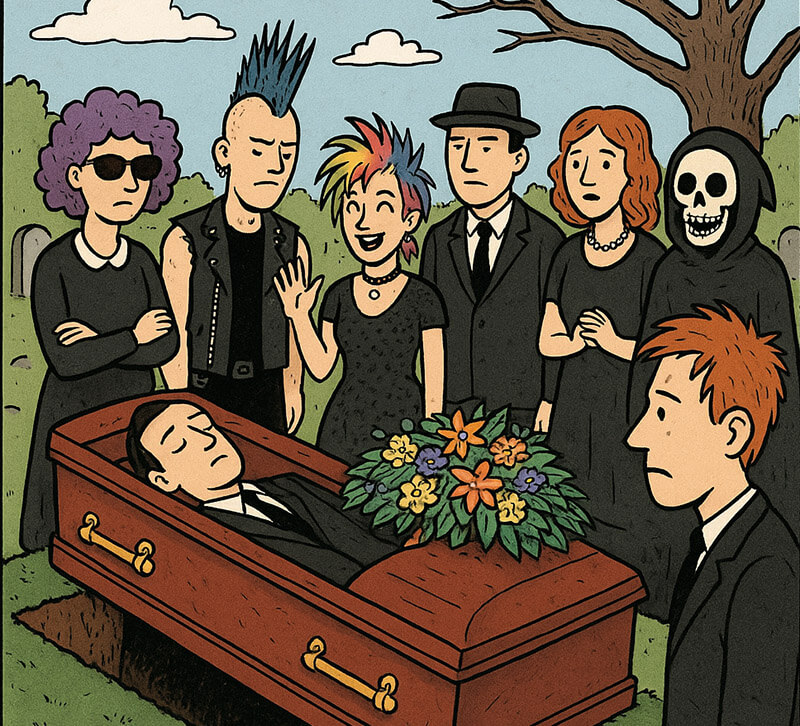
Some cultures figured this out a long time ago. In New Orleans, for more than a century, there have been something called jazz funerals. Musicians play slow, sad songs walking to the cemetary. But on the way back? Pure celebration. Brass bands, dancing in the streets, people whooping and clapping. It’s called “cutting the body loose”-letting the spirit celebrate.
Irish wakes mix tears with whiskey and stories. You cry, then someone tells a funny story about the person who died, and everyone laughs, then you cry again. It’s messy and real and human.
For many Christians, death is graduation day, not game over. If you believe your loved one’s in heaven, why wouldn’t you celebrate that? Easter’s whole point is that death lost. That’s worth some joy, even through the tears.
The Pew Research Ctr. found that 72% of Americans believe in some kind of afterlife. When you think someone’s not just gone but somewhere good, celebration feels less strange and more appropriate.
What Happens at These Events
There are no rulebooks on celebration of life. That is sort of the point. Each one looks different because each person was different.
People get up and talk. Not just any priest or minister, but anyone who wants to share. Your weird Uncle Bob tells the story about the fishing trip. Your cousin talks about how this person helped her through a divorce. A coworker shares a memory from the office. It feels like sitting around a living room, not sitting through some kind of performance.
It can be anywhere: beaches, parks, backyards, bars, restaurants, or golf courses. One family held a celebration at a bowling alley; as it was explained, their dad never missed league night. Another held theirs at a favorite hiking trail. You pick somewhere that meant something.
Clothing? Wear what feels right. Jeans if the person lived in jeans. Hawaiian shirts if they loved the beach. Sports jerseys if they bled team colors. One celebration I went to had a sign that said “Bob hated ties. Please don’t wear one.”
Food matters. Real food, not sad little cookies on paper plates. Barbeque if they loved to grill. Italian if that was their heritage. Potluck if they always brought people together over meals. The National End-of-Life Doula Alliance says about 45% of these celebrations now include hands-on activities—planting trees, creating memory books, releasing butterflies.
How It Helps with Grief
Dr. Alan Wolfelt, who’s spent his career helping people with grief, says sharing good memories actually helps us heal. When you only focus on loss, grief can swallow you whole. But when you also remember joy, you find balance. The person isn’t just “gone”-they were here, and they mattered, and they brought good things into the world.
Research from the Journal of Loss and Trauma supports this. Individuals who attended celebrations of life reported that they felt connected afterward. About 68% explained that they felt better than they did after traditional funerals. That makes total sense. When everyone is sharing stories and laughing through tears, you realize you are not alone in missing this person.
Kids benefit, too. Traditional funerals terrify children. All that darkness and weeping and whispering. But at a celebration they see that death is sad, yes, but the life that came before was good. They can laugh at funny stories. They can look at pictures. They can understand that Grandpa isn’t here anymore, but he was wonderful when he was.
I had a nephew who was five when we celebrated his great-grandfather. He was scared at first, but then people started sharing stories, and he learned about the time Great-Grandpa, trying to fix the pool, accidentally dyed himself blue. My nephew laughed and said, “Great-Grandpa was silly!” And somehow that made the loss less scary.
Conclusion
Calling it a “celebration of life” does not mean you are not sad. It doesn’t mean you don’t miss them so much that it hurts physically. It means you choose to honor the whole story, not just the final chapter. These celebrations allow families to create something real: something personal, something that would make the person who died smile and say, “Yeah, that’s perfect.” Whether you’re at a beach or a backyard or a favorite restaurant, what matters is that it feels true. There’s no right way to say goodbye. Some people just still want traditional funerals, and that’s OK. But more and more of us are realizing that we have choices. We can create events that feel honest and meaningful and full of love. Death is a part of life, after all. It’s the part that breaks our hearts. But celebrating the life that came before? That’s how we start putting our hearts back together. We tell the storys. We look at the pictures. We laugh and cry and remember. And we’re grateful-so grateful-that this person was in our lives at all.
Read more: https://www.justhighstone.com/blog