
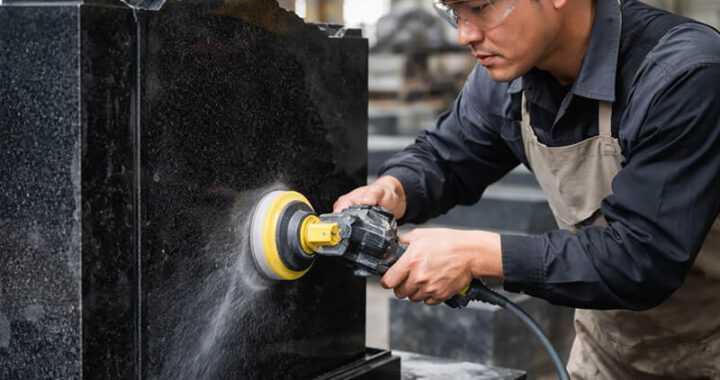
How to Polish a Granite Headstone: A Comprehensive Guide to Memorial Care
Table of Contents
Granite headstone care is not mere dusting; it is love, and it is a remembrance. Time might even wear the most resistant granite to be dull or matted with dirt, pollutants, and biological growth. According to monument industry data, it is estimated that about 85% of modern monuments in the United States are of granite as material, due to its durability and aesthetic appeal. Indeed, proper care will keep these tributes intact for generations to come.
Understanding Granite Headstones
Granite is an igneous rock composed primarily of quartz, feldspar, and mica. It is a natural material, not artificial. Its hardness rating of 6-7 on the Mohs scale indicates that it is preferable for monuments outdoors. Research by the Natural Stone Institute indicates that granite, when properly maintained, an remain structurally sound for hundreds to over a thousand years with proper care. The polished surface reflects light beautifully, creating that distinctive mirror-like finish we associate with quality memorials.
Acidic conditions, such as acid rain with a pH below 5.0, can slowly etch granite surfaces. Biological elements like lichen and algae colonize the stone to inhibit discoloration. Understanding these challenges helps guide the proper restoration approach and techniques.

Essential Materials and Tools
The appropriate supplies for safe polishing will include distilled water (H₂O), a non-ionic cleaner that is made for stone use specifically, soft-bristled nylon brushes, microfiber cloths, and granite polish or sealer. The EPA recommends avoiding harsh chemicals that make the stone and the rest of the vegetation suffer.
Important Note:
Never use any household cleaner, bleach, or acidic solutions: they will cause irreparable damage to the polished finish and accelerate deterioration of the granite.
Preparation Steps
The headstone should be washed before beginning polishing. First, mix your stone cleaner with distilled water according to the manufacturer’s instructions, and brush the whole thing off, removing loose debris with a soft-bristled brush while taking care to work gently so as not to scrape. Cemetery conservators recommend working on overcast days when temperatures are between 50-70°F (10-21°C) to prevent rapid drying that can leave residue.
Apply, then wait five to ten minutes for the cleaning solution to work on loosening organic matter and stains. Allowing sufficient dwell time is supported by studies from the Association for Gravestone Studies from the Association for Gravestone Studies that cleaning with patience reduces the amount of abrasive scrubbing necessary by nearly 60%.
The Polish Process
After the stone becomes clean and absolutely dry, a granite polish that is made especially for outside monuments should be applied. Using a clean microfiber cloth, work in small circular motions, covering approximately 2-3 square feet at a time. The gentle friction helps evenly distribute the polish and enhance surface adhesion with the granite surface.
Two thin coats should be applied, not one thick one. According to monument restoration professionals, layering gives stronger protective film, supposedly lasting 12-18 months. Allow the manufacturer’s recommended time between coats, which is usually 15-30 minutes.
Pro Tip:
Work from top to bottom to prevent drips on already-polished areas. Pay special attention to engraved letters – use a soft toothbrush for detailed areas.
Regular Maintenance Advice
Practical care saves major repair needs. Perform debris removal and biological inspections at least once in a quarter visits to the memorial site. Maintain polish and limit buildup with distilled water and care brushing every three months. The NPS guidelines on preservation have continually emphasized that maintaining the memorial in a light, regular manner works better than an infrequent heavy duty cleaning.
Another practice that should be on annual basis is applying breathable sealers. A modern type of siloxane-based sealers allows vapor from wetness to escape while preventing water from ingress: it causes less damage related to freeze-thaw-more typical in cold areas-of granite deterioration.
What Not to Do
One big error is that of using high-pressure washers. Although it may sound very tempting for fast cleaning, using high pressure water-no less than 3000 PSI-mostly forced water through microfractures that cause internal loss damage and promote premature spalling. Hand cleaning is always safer.
The major mistake also includes polishing in direct sunlight. Heating up dries out these products faster, which leads to streaks and to an eventual improper bonding. Never use a metal brush or abrasive pad; these scratches make the surface dull forever. Cemetery preservation experts have remarked that, in many cases, misuse of tools results in more damage to the stone than natural weathering.
And obviously, do not polish too much. It is human to desire that memorial look perfect, but frequent polishing (beyond twice annually) will gently wear down the granite surface over time. Patience in the care you give it will pay off as the stone’s natural beauty shines through gentle, respectful cleaning.
We Are Professional Monument Manufacturers
As a leading stone processing and wholesale factory, we specialize in manufacturing high-quality granite memorials and monuments. With decades of industry experience, we supply premium granite products to monument dealers, funeral homes, and cemetery professionals worldwide. Contact us for wholesale inquiries and bulk orders.